
Environmental site investigations are essential to verify that California properties conform to environmental safety regulations. Environmental consultants specializing in land assessment for contamination or hazards usually conduct these inspections. Property developers, government agencies, and prospective buyers use their services to make crucial land-use decisions. Individuals who want to learn more about the process, regulations, and recommended practices of these investigations can find more information about them.
Purpose of Environmental Site Inspections
An environmental site inspection is typically intended to find out existing or potential environmental risks linked with a property. These risks may include soil contamination and water pollution, hazardous materials, or the presence of regulated substances such as asbestos or lead-based paint. In California, environmental consultants ensure that a specific property’s work will be compliant with the state and federal regulations. It also ensures that work is directed in accordance with rules and guidelines put forward by the California Environmental Protection Agency (CalEPA) and the Regional Water Quality Control Board (RWQCB).
Environmental site inspections are an important requirement for various situations: real estate transactions, industrial site investigations, brownfield redevelopment, or regulatory compliance. Early identification of potential problems allows consultants to reduce legal and financial liabilities for property owners as well as investors.
Steps Involved in a Site Inspection
Environmental consultants have a systematic process when they make site inspections in California. The procedure often starts with a preliminary review, whereby historic records, past environmental reports, and regulatory information are analyzed. This process enables consultants to realize the past use of the property as well as locations that are likely to need extensive investigation.
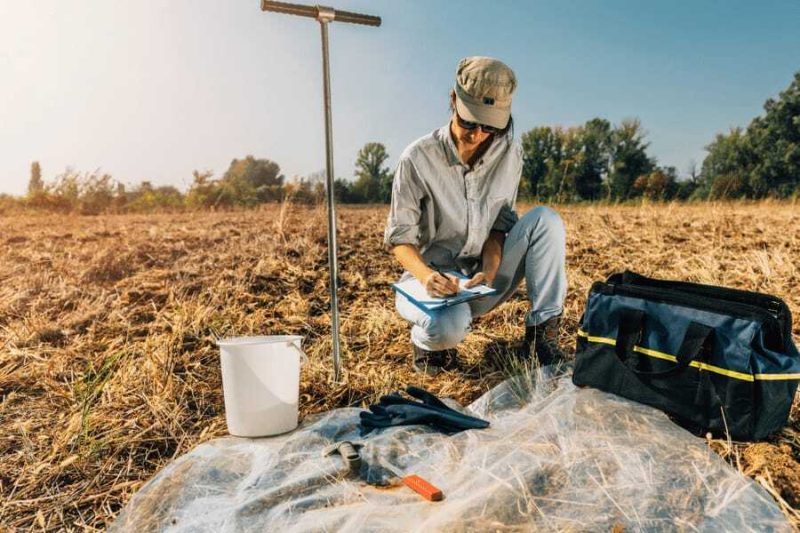
After the initial review, consultants conduct an on-site inspection. They visually examine the property for signs of contamination, such as chemical spills, unusual plant growth, or soil discoloration. They check storage areas, waste disposal methods, and any buildings that might contain hazardous materials. At this stage, they take photographs and detailed notes to accurately document their findings.
The second stage typically involves sampling and testing. Soil, water, and air samples can be collected and analyzed to detect pollutants or contaminants. Accredited laboratories conduct these analyses to ensure they are reliable. Consultants interpret the results based on California’s environmental standards to assess the seriousness of potential risks.
Regulatory Compliance and Reporting
After inspections and testing are finished, environmental consultants write up a comprehensive report. This usually includes the procedures utilized, observations, sample analyses, and any recommendations for remediation or additional investigation. In California, such reports can be necessary to meet state programs like the Site Cleanup Program (SCP) or the Hazardous Waste Control Law.
The report has various uses: it informs property owners, assists in decision-making in real estate transactions, and helps regulatory authorities enforce environmental regulations. It also offers a record for future inspection or legal reference, and ensures accountability and transparency.
Significance of Qualified Consultants
Environmental site inspections involve specialized environmental science, chemistry, and state statute knowledge. Trained consultants have certifications and training to perform assessments safely and with accuracy. Their experience ensures inspections are professional-level and results are credible.
With California’s strict environmental regulations, the work of these consultants becomes even more important. Their efforts not only protect public health and the environment but also encourage sustainable land development. Those interested in learning about such procedures in greater detail can learn more about the methodologies and compliance standards adopted by environmental professionals in the state.