
Property owners in Dallas, whether it’s residential or commercial, are significantly increasing safety and oversight through the use of advanced technologies in surveillance. Where digital infrastructure is continually evolving, security camera systems can no longer be utilized as mere video capture. Most property managers explore installation options after researching solutions on a company’s website, but some of the biggest steps forward nowadays involve remote monitoring capabilities, integrating smart features that enhance real-time awareness.
The Rise of Remote Monitoring
Remote monitoring has emerged as a characteristic trait of contemporary security solutions. Unlike the conventional closed-circuit television (CCTV) configuration, where monitoring was restricted to physical presence at the site, contemporary security solutions facilitate remote monitoring through a virtual platform achieved through secure internet connections. This is more applicable in the context of a metropolitan city like Dallas.
Homeowners and business managers can monitor and control their systems via mobile applications or desktop portals. They will be able to access camera images and be alerted in real-time; this is an added advantage because response rates to unpredictable situations will be enhanced. For business establishments, especially those operations extending beyond standard working hours, this facility would provide an additional dimension of control.
Smart Alerts and Motion Detection
Modern security cameras feature intelligent motion detection technology, which is created with the purpose of eliminating false alarms while recording only the important ones. Unlike the older cameras, which record everything equally, these cameras feature zones as well as sensitivity features. These features ensure the cameras do not respond to insignificant changes, such as moving cars or shadows.
At times, the system may even incorporate artificial intelligence (AI) for distinguishing between humans, cars, and animals. This could be very useful in areas like neighborhoods as well as commercial premises in Dallas, since the volume of pedestrians as well as cars passing through the place may vary at different times of the day.
Integration with Smart Home and Business Systems
In terms of installation, the integration of security cameras is progressively carried out with a larger context in mind. In the context of the home, such cameras could be integrated with other smart devices. For example, lights surrounding the perimeter of the home could be configured to turn on upon the detection of movement after sunset.
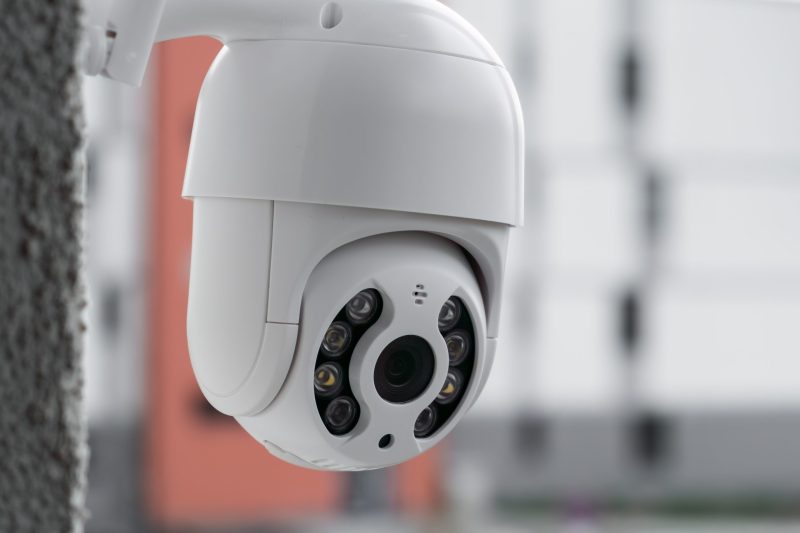
Commercial properties stand to gain from integrating these systems with either the access control systems or the management systems. Video synchronization with the access control systems would provide a full view of all those who accessed the areas under consideration. This would not only enhance security but would also enhance accountability within the work environment.
Cloud-based storage options further add to the overall flexibility of the system. Instead of purely recording through physical recording media, such as a DVR or an NVR, some systems provide encrypted cloud storage options, which allow the footage to be accessible in the event of damage to the recording media.
Data Security and Privacy Considerations
Although remote connectivity and smart home features promote convenience, they also bring about some form of cybersecurity implications. These include password security, data encryption during transmissions, and regular firmware upgrades. The homeowner would then need to ensure that the network configuration is properly secured to prevent unauthorized access.
However, the practice of surveillance in Texas must also be consistent with the privacy regulations. Well-articulated policies for camera placement and viewing of the camera footage ensure a balance in meeting security needs while addressing individual privacy concerns. Commercial organizations can play an important role in promoting work-related compliance and trust through open communication policies for surveillance.
Long-Term Operational Benefits
The integration of monitoring and intelligent technology offers tangible operational benefits. This might be an enhanced peace of mind and reduced uncertainty for a homeowner who is able to remotely monitor the condition of their property. For a business, the capability can aid in preventing losses, ensuring the safety of employees, and managing liabilities.
As further development is made in security system technology, the concept of accessibility and smart technology may prove to be an essential part of that build. As individuals are faced with the task of choosing installation options for their security systems, it is apparent that they often turn to the provider’s website for information on their products before making a determination. The overall success of a modern security camera installation is highly dependent on the consideration and implementation of other accessibility options that meet the individual needs of each location.